|
| | 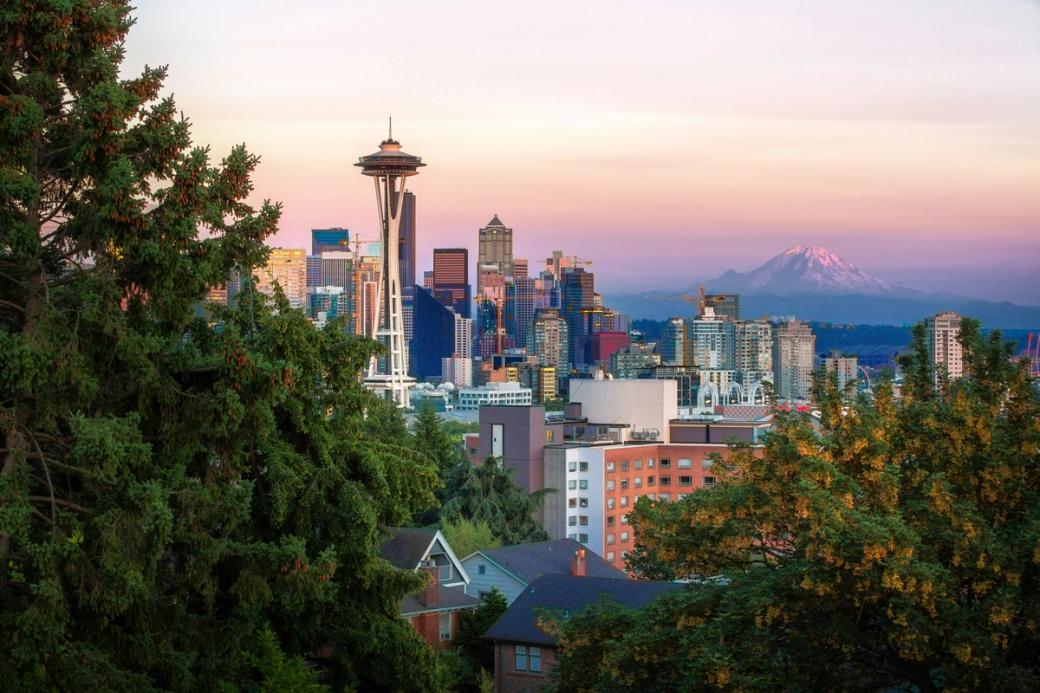 | As Seattle adds more multifamily units and limits on rent increases, landlords and tenants are at odds when it comes to how to distribute utility costs. (Luca Micheli / Unsplash) |
| Renters Call for Ban on Utility Billing System | Hundreds of Seattle renters are calling for a citywide ban on a system that divides a building’s total utility bills between units rather than using a flat rate model. Tenants say the ratio utility billing system (RUBS) results in much higher, unpredictable monthly utility charges from landlords. Landlords say that because they can no longer raise rents enough to keep up with utility costs, RUBS is the next best option. [Seattle Times] | - 💡How does it work? Under RUBS, landlords distribute a building’s total utility costs between units based on size and occupancy. The formulas landlords use to determine each unit’s share are often “convoluted or farcically complex.” RUBS is often applied in multi-family buildings where units are not individually sub-metered. At Qualman Apartments on Capitol Hill, renters said they went from paying a $50 flat fee covering non-electric utilities to anywhere from $265 to $429 a month for the same services under RUBS. [The Urbanist]
- 🏘️ Renters v. landlords: Last year, Washington passed legislation limiting annual rent increases for existing tenants to 7% plus inflation or 10%, whichever is lower. Landlords say this means they can’t raise the rent to keep up with increasing utility costs. They say a citywide ban on RUBS would crater Seattle’s multifamily market. Under RUBS, tenants say they have no way to know if they’re paying their fair share, and they can’t anticipate utilities costs, which have no limits. The Seattle Renters’ Commission has recommended all residential utility charges that are not individually submetered must be included in rental rates. [Seattle Times]
- 🙅🏽 RUBS bans: The system is already banned or restricted in other cities, including California’s West Hollywood and San Jose, as well as Massachusetts. In 2024, Connecticut’s Supreme Court banned RUBS, saying the system “mak[es] the tenant liable to the landlord for the costs of utilities that were not individually metered or that the tenant did not exclusively use.” Tenant groups in Tacoma and Los Angeles are also pushing for their cities to ban RUBS. [In These Times]
|
|
|
|
| What Seattle’s Talking About |
| 📚 Ada’s announces closure: After 16 years, Ada’s Technical Books & Cafe is closing. Ada’s owner said the decision to close the bookstore is a personal decision and not reflective of how “things are going right now on 15th.” The owners have also put the three Fuel Coffee locations they lease at the bookstore, in Montlake, and in Wallingford, up for sale. [CHS Blog] | | 🌭 Behind the surge: Health inspectors with Public Health, both Seattle & King County, have observed a pattern of large-scale operators from out of state bypassing health and safety standards, setting up hot dog stands outside the stadiums. King County Councilmember Teresa Mosqueda says evidence suggests some workers may be victims of coerced labor. We spoke with her about this issue on the podcast 🎧. [KING 5] | | 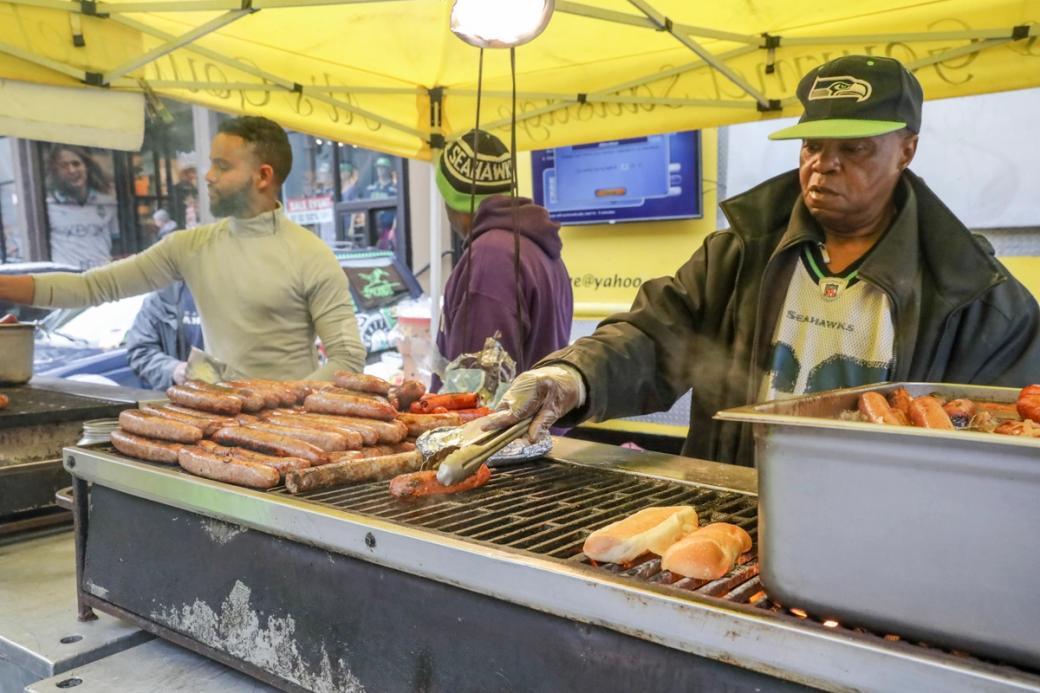 | Licensed vendors say the surge in illegal vendors has hurt their business by as much as a 75% loss in sales. (Lawrence Iles/Icon Sportswire via Getty Images) |
| 🎓 Graduation requirements reimagined: A state task force led by the Washington State Board of Education is currently working through a sweeping review of high school graduation requirements. The two biggest issues up for discussion? Increasing expectations for math requirements and potentially replacing the state’s current system of graduation pathways altogether. [Seattle Times] |
|
|
|
|
|
Shout out to Ryan R and Maria D for becoming new neighbors. We’re so excited to have you! In honor of the very cool pennant we’ll be sending to all our new neighbors, I have to share this hilarious video of The Storm’s new player (and one half of the StudBudz), Natisha Hiedeman, experiencing “the mountain is out” for the first time. As she says, “I get to look at skyscrapers and mountains, shout out Seattle.” |
| |
|
|
|


