|
| | |  | Seattle police have continued to arrest and book people using drugs in public at much higher numbers than sending them to diversion program LEAD.(Jason Redmond/ Getty Images) |
| Report Shows City Drug Arrests Increased, While Diversion Decreased | A presentation to the city’s Public Safety Committee shows between 2024 and 2025, Seattle police arrested and booked people far more often than sending them to the city’s diversion program LEAD (Let Everyone Advance with Dignity). LEAD has provided services as an alternative to arrest and incarceration for the last 15 years. It offers long-term case management, harm reduction, and connections to housing and treatment, and has been replicated around the country. [PubliCola] | - 💲 Funding instability: Lisa Daugaard who has been with LEAD since its launch said funding hit “a high-water mark” in 2022 and has been declining ever since. She said this lack of funding reduced LEAD’s capacity to take on new clients. Police Chief Shon Barnes cast doubt on the effectiveness of the program, saying it could not “deliver the level of order, safety and visible presence that residents, businesses and visitors believe should be indicative of a major US city.”
- 📊 LEAD’s effectiveness: Independent researchers found that LEAD referrals reduced the tendency for someone to reoffend by 58%, and participants in the program were 89% more likely to be housed. Despite these impacts, laws around the program dictate that individual police officers have the authority to decide whether to arrest someone or refer them to LEAD, based partly on whether they think a person is posing a “threat of harm” to anyone in the public. [South Seattle Emerald]
- 📉 LEAD by the numbers: From 2024 to 2025, LEAD diversions for people arrested for possession or public use declined almost 37 percent, while charges filed by police officers more than doubled, and attempted jail bookings increased by 191 percent. Misdemeanor drug use and possession cases made up just under half of all drug arrests. South Seattle Emerald reported that of the city's 300 law enforcement referrals from April 2025 to March 2026, only two came from South Seattle. [South Seattle Emerald]
|
|
|
|
| | | Thinking about Napa or Sonoma for your next wine trip? If you are open to something a little different, Dundee, Oregon offers a slower, more personal wine country experience just a few hours from Seattle. Walkable, welcoming, and rooted in exceptional Pinot, it is where plans loosen and moments linger. | | This spring, enjoy exclusive lodging offers for City Cast listeners. Start slow, stay awhile, and experience wine country at your own pace. | |
|
|
|
| What Seattle’s Talking About |
| 🔌 Developers back out of data center plans: Following nearly 84,000 letters Seattleites sent opposing new data centers, both Tukwila-based Sabey and an unnamed company have pulled their proposals. The data center proposals that could use 249 megawatts remain from Equinix and Prologis. This month, councilmembers Eddie Lin, Debora Juarez, and Council President Joy Hollingsworth plan to introduce a ban on new data centers for a year. [Seattle Times] | | 🐻 Budget cuts hit campgrounds: In an Instagram post, Washington’s Department of Natural Resources said, “We hate to be the bear of bad news, but this year we will be closing four of our campgrounds due to state budget cuts.” The state has slashed roughly $8 million from the department’s recreation program. The DNR website has details on all the closures. [Washington DNR] | | 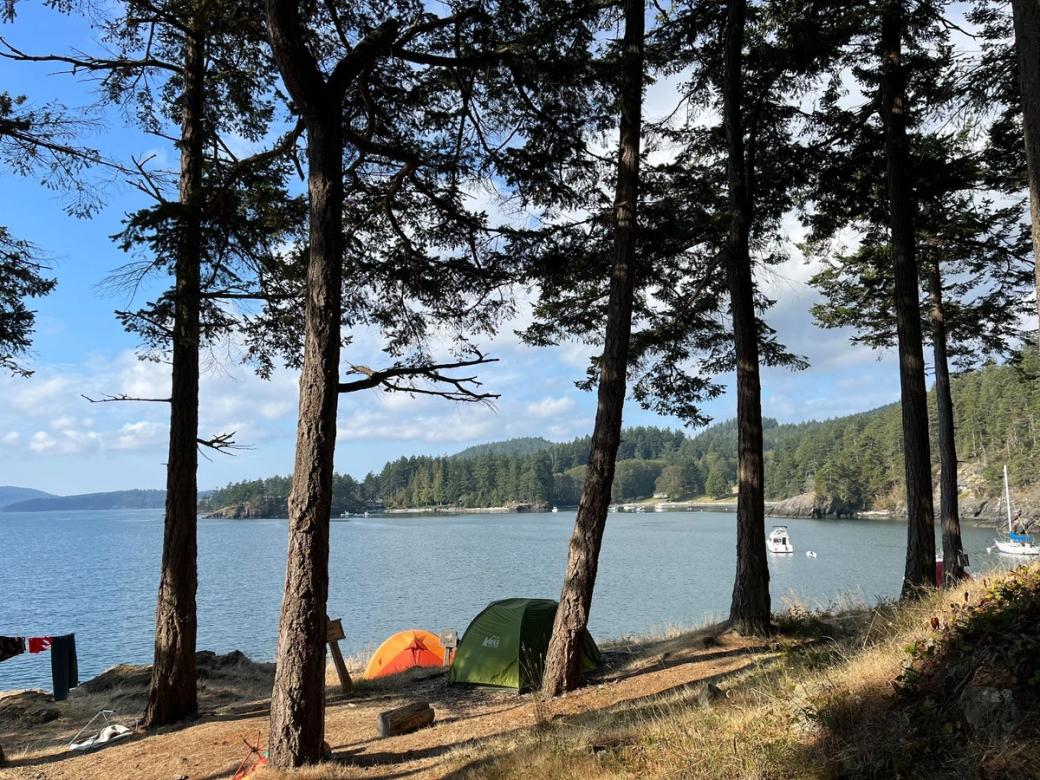 | Budget cuts mean fewer campgrounds will be open in Washington as the state heads into peak outdoor recreation season. (Sam J. Leeds / City Cast Seattle) |
| 🎨 Georgetown studio offers free resources: The WHY, created by artists Chloe Kimball and Colin Reid, has opened a weekly space every Wednesday from 5-9 p.m. for any artists to come work on their projects. They’re offering the space at no cost. Just ring the doorbell on the side of a wooden fence near the door, and they’ll let you in. [Real Change] |
|
|
|
|
|
|


